Trump Announces Extension of Israel-Hezbollah Ceasefire
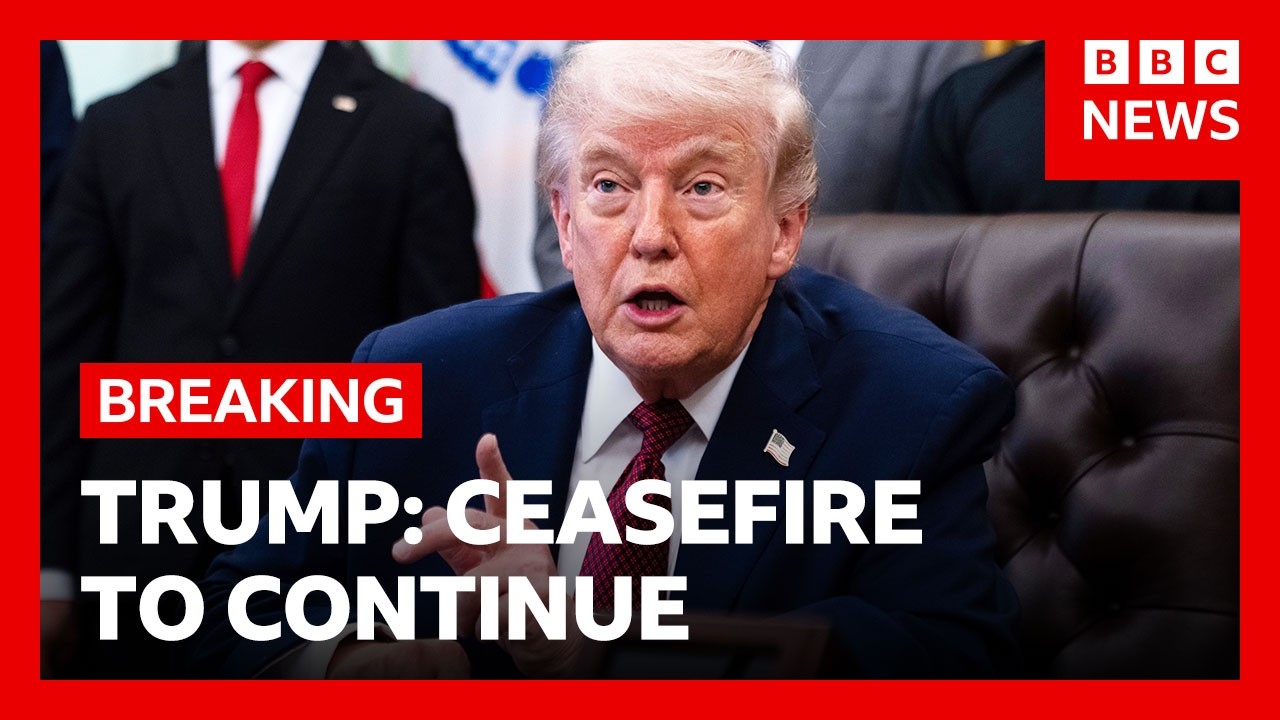
President **Donald Trump** has announced that **Israel** and **Lebanon** have agreed to extend the ceasefire between **Israel** and the **Hezbollah** militant g
Summary
President **Donald Trump** has announced that **Israel** and **Lebanon** have agreed to extend the ceasefire between **Israel** and the **Hezbollah** militant group by three weeks. This development comes after **US**-facilitated talks in **Washington**. The ceasefire has been in place since a recent escalation of violence between **Israel** and **Hezbollah**. The extension is seen as a positive step towards reducing tensions in the region, but the underlying issues remain unresolved. [[israel|Israel]] and [[lebanon|Lebanon]] have a long history of conflict, and the involvement of **Hezbollah**, a militant group backed by **Iran**, complicates the situation. The international community, including the **US**, has been working to broker a lasting peace in the region. The situation is closely watched by neighboring countries, including **Syria**, and global powers such as **Iran** and **Russia**. The extension of the ceasefire is a welcome development, but it is unclear how long it will hold and what the next steps will be towards a more permanent resolution. [[middle-east-peace-process|Middle East peace process]] efforts have been ongoing for decades, with varying degrees of success. The role of **Hezbollah** in **Lebanon**'s politics and its relationship with **Iran** are key factors in the conflict.
Key Takeaways
- The ceasefire between Israel and Hezbollah has been extended by three weeks
- The US facilitated talks in Washington to broker the ceasefire extension
- The situation in the region remains complex, with many factors at play
- A lasting peace in the region will require a comprehensive resolution to the underlying issues
- The international community should continue to support the peace process
Balanced Perspective
The situation in the region remains complex, with multiple factors at play. While the ceasefire extension is a positive development, it is unclear how long it will last. **Hezbollah**'s relationship with **Iran** and its role in **Lebanon**'s politics are significant factors that need to be addressed. The **US**-facilitated talks in **Washington** have been helpful, but the international community's role in the peace process is crucial. [[united-nations|United Nations]] efforts to broker a lasting peace in the region have been ongoing, and the extension of the ceasefire could be a step towards a more comprehensive resolution.
Optimistic View
The extension of the ceasefire is a significant step towards reducing violence in the region. **Israel** and **Lebanon** have shown a willingness to negotiate, which could lead to a more lasting peace. The involvement of the **US** in facilitating talks has been crucial, and the international community's support for the peace process is essential. [[donald-trump|Donald Trump]]'s administration has been actively engaged in the **Middle East peace process**, and this development could be a positive outcome of those efforts. The ceasefire extension also gives **Hezbollah** and **Israel** time to reassess their positions and consider a more permanent resolution.
Critical View
The ceasefire extension may only be a temporary reprieve from violence. The underlying issues between **Israel** and **Hezbollah** remain unresolved, and the involvement of **Iran** and other regional players complicates the situation. The **US**-facilitated talks may not be enough to bring about a lasting peace, and the international community's support for the peace process may wane over time. [[israeli-palestinian-conflict|Israeli-Palestinian conflict]] and the broader **Middle East** conflicts are interconnected, making it challenging to achieve a lasting resolution. The ceasefire extension may also be seen as a tactical move by **Hezbollah** to regroup and reassess its strategy.
Source
Originally reported by AP News