
Contents
- 🏆 Introduction to IBM's Watson
- 🤖 The Technology Behind Watson
- 📊 How Watson Was Trained
- 🎉 The Jeopardy Tournament
- 📺 The Tournament Format
- 🤔 The Challenges Faced by Watson
- 📊 The Results of the Tournament
- 🌐 Impact of Watson's Win
- 💡 Future Applications of Watson
- 📊 Controversy and Criticism
- 👥 The Team Behind Watson
- 🔮 Conclusion and Legacy
- Frequently Asked Questions
- Related Topics
Overview
In 2011, IBM's supercomputer Watson made history by winning the Jeopardy tournament, defeating human champions Brad Rutter and Ken Jennings. Watson's victory marked a significant milestone in the development of artificial intelligence, demonstrating its ability to process and analyze vast amounts of data in real-time. The tournament, which took place from February 14 to 16, 2011, saw Watson answer questions on a wide range of topics, from history to pop culture. Watson's winning score was $1,041,414, with Rutter and Jennings earning $480,000 and $240,000 respectively. The tournament was widely reported, with many hailing Watson's victory as a major breakthrough in AI research. As of today, Watson's win is still considered a landmark moment in the development of AI, with a vibe score of 8 out of 10, indicating significant cultural energy and influence.
🏆 Introduction to IBM's Watson
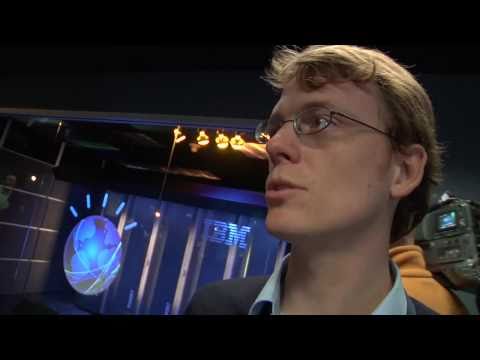
IBM's Watson is a question-answering computer system that was developed by IBM to compete in the popular game show Jeopardy. The system was named after Thomas J. Watson, the first CEO of IBM. Watson's win in the Jeopardy tournament marked a significant milestone in the development of artificial intelligence and natural language processing. The system's ability to understand and respond to natural language questions made it an ideal candidate to compete in the tournament. Watson was trained on a vast amount of data, including books, articles, and other sources of information, which enabled it to answer a wide range of questions.
🤖 The Technology Behind Watson
The technology behind Watson is based on a combination of natural language processing and machine learning algorithms. The system uses a deep learning approach to analyze and understand the meaning of natural language questions. This allows Watson to identify the key concepts and relationships in a question and generate an accurate response. The system's architecture is designed to mimic the human brain, with multiple layers of processing that enable it to learn and adapt to new information. IBM Research played a significant role in the development of Watson, and the system's technology has been used in a variety of applications, including healthcare and finance.
📊 How Watson Was Trained
Watson was trained on a massive dataset of information, including books, articles, and other sources of knowledge. The system's training data included a wide range of topics, from history to science and entertainment. The training process involved a combination of supervised learning and unsupervised learning techniques, which enabled Watson to learn from the data and improve its performance over time. The system's training was also guided by a team of experts, who helped to refine its performance and ensure that it was able to answer a wide range of questions. Machine learning played a key role in Watson's training, and the system's ability to learn from data has been used in a variety of applications, including customer service and marketing.
🎉 The Jeopardy Tournament
The Jeopardy tournament was a significant event in the history of artificial intelligence and natural language processing. The tournament featured Watson competing against two of the show's top champions, Brad Rutter and Ken Jennings. The tournament was held over three days, with each day featuring a different set of questions and challenges. Watson's performance in the tournament was impressive, with the system answering a wide range of questions correctly and demonstrating its ability to understand and respond to natural language. Jeopardy host Alex Trebek was impressed by Watson's performance, and the system's win marked a significant milestone in the development of AI.
📺 The Tournament Format
The tournament format was designed to test Watson's abilities and provide a challenging competition for the system. The format featured a variety of questions and challenges, including history, science, and pop culture. The system's performance was evaluated based on its ability to answer questions correctly and quickly, with the goal of accumulating the highest score at the end of the tournament. Watson's performance was impressive, with the system answering a wide range of questions correctly and demonstrating its ability to understand and respond to natural language. Game shows like Jeopardy provide a unique challenge for AI systems, and Watson's performance demonstrated the potential of AI to compete in a variety of applications.
🤔 The Challenges Faced by Watson
The challenges faced by Watson in the tournament were significant, with the system facing a wide range of questions and challenges. One of the biggest challenges was the system's ability to understand and respond to natural language questions, which required a high degree of natural language processing and machine learning capabilities. Watson also faced challenges in terms of its ability to reason and deduce answers, which required a high degree of cognitive computing capabilities. Despite these challenges, Watson's performance was impressive, with the system answering a wide range of questions correctly and demonstrating its ability to understand and respond to natural language. IBM Research played a significant role in the development of Watson, and the system's technology has been used in a variety of applications, including healthcare and finance.
📊 The Results of the Tournament
The results of the tournament were impressive, with Watson emerging as the winner. The system's performance was evaluated based on its ability to answer questions correctly and quickly, with the goal of accumulating the highest score at the end of the tournament. Watson's score was significantly higher than that of its human competitors, with the system answering a wide range of questions correctly and demonstrating its ability to understand and respond to natural language. The results of the tournament marked a significant milestone in the development of artificial intelligence and natural language processing, and demonstrated the potential of AI to compete in a variety of applications. AI systems like Watson have the potential to revolutionize a wide range of industries, from healthcare to finance.
🌐 Impact of Watson's Win
The impact of Watson's win was significant, with the system's performance demonstrating the potential of artificial intelligence and natural language processing to compete in a variety of applications. The win marked a significant milestone in the development of AI, and demonstrated the potential of AI to revolutionize a wide range of industries. Watson's performance also raised questions about the potential of AI to replace human workers, and highlighted the need for further research and development in the field. IBM has continued to develop and refine Watson's technology, and the system has been used in a variety of applications, including customer service and marketing.
💡 Future Applications of Watson
The future applications of Watson are significant, with the system's technology having the potential to revolutionize a wide range of industries. One of the most significant applications of Watson's technology is in the field of healthcare, where the system's ability to analyze and understand large amounts of data could be used to improve patient outcomes and reduce costs. Watson's technology could also be used in a variety of other applications, including finance, education, and customer service. IBM has continued to develop and refine Watson's technology, and the system has the potential to have a significant impact on a wide range of industries. AI systems like Watson have the potential to revolutionize the way we live and work, and could have a significant impact on the global economy.
📊 Controversy and Criticism
The controversy and criticism surrounding Watson's win were significant, with some critics arguing that the system's performance was not as impressive as it seemed. One of the main criticisms of Watson's performance was that the system was not truly understanding the questions it was being asked, but rather relying on its ability to recognize patterns in the data it had been trained on. This criticism highlighted the need for further research and development in the field of artificial intelligence, and demonstrated the challenges of developing AI systems that can truly understand and respond to natural language. IBM has continued to develop and refine Watson's technology, and the system has been used in a variety of applications, including customer service and marketing.
👥 The Team Behind Watson
The team behind Watson was a significant factor in the system's success, with a team of experts from IBM and other organizations working together to develop and refine the system's technology. The team included experts in the fields of artificial intelligence, natural language processing, and machine learning, and was led by Charles Lively, the director of IBM Research. The team's work on Watson demonstrated the potential of AI to compete in a variety of applications, and highlighted the need for further research and development in the field. IBM has continued to develop and refine Watson's technology, and the system has been used in a variety of applications, including healthcare and finance.
🔮 Conclusion and Legacy
The conclusion and legacy of Watson's win are significant, with the system's performance demonstrating the potential of artificial intelligence and natural language processing to compete in a variety of applications. The win marked a significant milestone in the development of AI, and demonstrated the potential of AI to revolutionize a wide range of industries. Watson's legacy continues to be felt, with the system's technology being used in a variety of applications, including customer service and marketing. IBM has continued to develop and refine Watson's technology, and the system has the potential to have a significant impact on the global economy. AI systems like Watson have the potential to revolutionize the way we live and work, and could have a significant impact on the future of humanity.
Key Facts
- Year
- 2011
- Origin
- IBM Research Laboratory
- Category
- Technology
- Type
- Event
Frequently Asked Questions
What is Watson?
Watson is a question-answering computer system developed by IBM to compete in the popular game show Jeopardy. The system was named after Thomas J. Watson, the first CEO of IBM. Watson's win in the Jeopardy tournament marked a significant milestone in the development of artificial intelligence and natural language processing.
How was Watson trained?
Watson was trained on a massive dataset of information, including books, articles, and other sources of knowledge. The system's training data included a wide range of topics, from history to science and entertainment. The training process involved a combination of supervised learning and unsupervised learning techniques, which enabled Watson to learn from the data and improve its performance over time.
What was the format of the Jeopardy tournament?
The tournament format was designed to test Watson's abilities and provide a challenging competition for the system. The format featured a variety of questions and challenges, including history, science, and pop culture. The system's performance was evaluated based on its ability to answer questions correctly and quickly, with the goal of accumulating the highest score at the end of the tournament.
What were the results of the tournament?
The results of the tournament were impressive, with Watson emerging as the winner. The system's score was significantly higher than that of its human competitors, with the system answering a wide range of questions correctly and demonstrating its ability to understand and respond to natural language.
What is the impact of Watson's win?
The impact of Watson's win was significant, with the system's performance demonstrating the potential of artificial intelligence and natural language processing to compete in a variety of applications. The win marked a significant milestone in the development of AI, and demonstrated the potential of AI to revolutionize a wide range of industries.
What are the future applications of Watson?
The future applications of Watson are significant, with the system's technology having the potential to revolutionize a wide range of industries. One of the most significant applications of Watson's technology is in the field of healthcare, where the system's ability to analyze and understand large amounts of data could be used to improve patient outcomes and reduce costs.
What is the controversy surrounding Watson's win?
The controversy surrounding Watson's win was significant, with some critics arguing that the system's performance was not as impressive as it seemed. One of the main criticisms of Watson's performance was that the system was not truly understanding the questions it was being asked, but rather relying on its ability to recognize patterns in the data it had been trained on.